

Blog
Why Do Polyethylene (HDPE) Hulls Not Absorb Water or Rot?

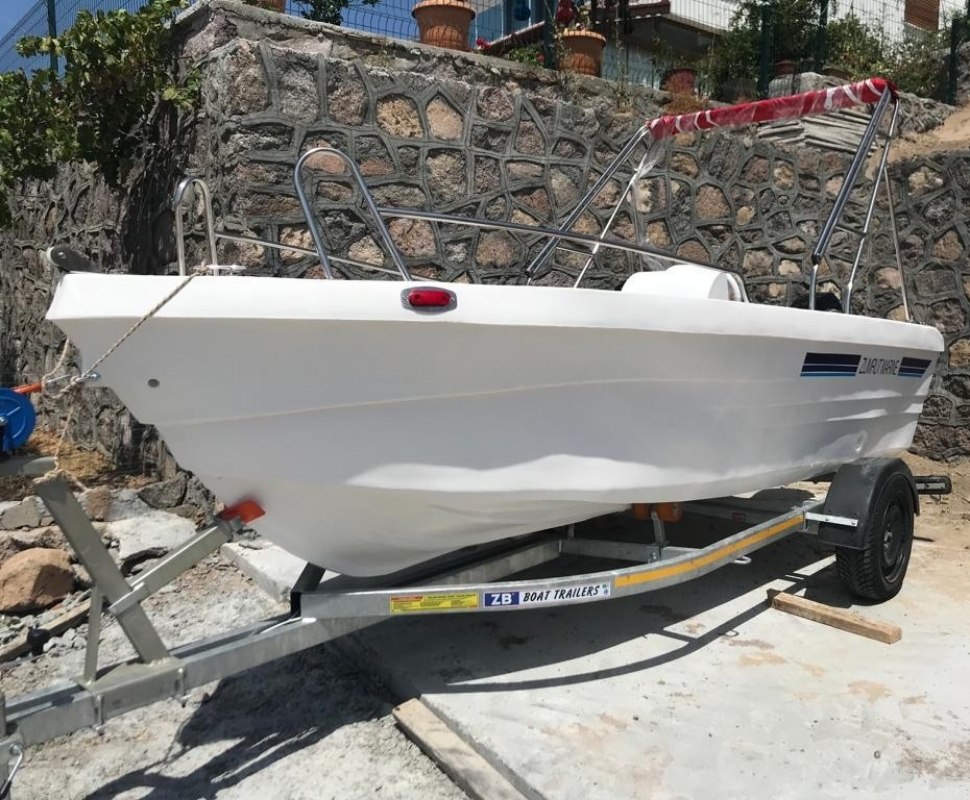
Polyethylene (HDPE) boat hulls are industrial maritime solutions featuring an apolar (hydrophobic) molecular structure where carbon and hydrogen atoms are bonded with tight covalent bonds, aggressively repelling water and ensuring absolutely zero seawater absorption. The chronic “osmosis disease” (osmotic blistering) experienced in traditional fiberglass (FRP) and wooden boats—where water seeps through gelcoat micro-cracks and rots the hull from the inside out—is physically impossible due to the HDPE material’s sub-0.01% water absorption tolerance. Demonstrating superior corrosion resistance against saltwater, UV rays, and acidic environments, Zümrüt Marine HDPE boats reset antifouling paint and winter dry-docking maintenance costs to zero, radically minimizing the Total Cost of Ownership (TCO) for commercial fleets.
The Hydrophobic Molecular Chain: Why Does HDPE Repel Water?
In marine engineering, whether a boat absorbs water or not is directly related to the chemical polarization (polarity) of the manufacturing material. Water (H₂O) is a polar molecule; meaning it is electrically polarized. The polyester resins used in fiberglass production and the cellulose structure of wood also possess polar characteristics; hence, they attract water (hydrophilic). However, High-Density Polyethylene (HDPE 100) possesses a completely apolar (non-polarized) structure. There is absolutely no chemical attraction force between water molecules and polyethylene chains.
This hydrophobic (water-repelling) property drastically reduces the surface tension of the material. It ensures that when water contacts the boat hull, it simply beads up and rolls off rather than penetrating. With a specific gravity of 0.94 g/cm³, which is lighter than seawater (1.02 g/cm³), this material physically prevents water from soaking in even if the hull suffers catastrophic structural damage, effectively guaranteeing an unsinkable vessel.
Get a custom quote for your project today to eliminate osmosis risks and eradicate maintenance costs in your commercial boat rental (Rent a Boat) fleet.
The Osmosis Disease in Fiberglass (FRP) Boats and the Rotting Process
Many purchasing managers and boat owners falsely believe that fiberglass (FRP) boats are completely waterproof; this is a massive maritime misconception. Fiberglass boats are protected by a thin outer cosmetic layer called “gelcoat”. Minor impacts while docking at the marina, hull flexing on high waves, or sub-standard manufacturing processes create invisible micro-cracks (hairline cracks) in this gelcoat.
Saltwater enters through these microscopic cracks via capillary action and chemically reacts with the polyester resin holding the fiberglass layers together. The resin begins to dissolve, creating a highly acidic fluid that forms pimple-like blisters on the boat’s underwater hull. In the maritime industry, this structural degradation is called Osmosis. As the boat absorbs water, it becomes heavier, loses its tensile strength, and internal rotting becomes inevitable. Treating osmosis requires stripping the hull, drying it for months, and reapplying epoxy—costing tens of thousands of dollars. In Zümrüt Marine HDPE boats, because the hull is formed from a single molecular block (monoblock) via hot air extrusion welding, delamination or osmosis risks are strictly non-existent.
Corrosion Resistance and the Elimination of Antifouling Paint
Wooden or steel boats must be constantly painted to defend against rot and rust. Fiberglass boats, on the other hand, require an expensive new coat of antifouling paint every single season to prevent barnacles, mussels, and algae from permanently attaching to the bottom. Zümrüt Marine polyethylene hulls repel not only water but also marine life. Thanks to the material’s Teflon-like, ultra-smooth, and non-stick molecular surface, barnacles simply cannot establish a strong grip on the hull.
Furthermore, the highly corrosive effect of saltwater causes absolutely zero chemical degradation on HDPE. To combat the harmful effects of the sun, Carbon Black and UV-8 stabilizers are blended directly into the polymer matrix during production. This industrial performance ensures the material retains its flexibility and durability for decades, completely ending the need for winter dry-docking (lifting/craning) and periodic painting expenses.
B2B Comparison: Polyethylene (HDPE) vs. Fiberglass (FRP)
When establishing a commercial maritime fleet or selecting a private vessel, understanding how material dynamics impact long-term costs is a critical purchasing rule. (The following table is designed for fleet managers, B2B purchasing departments, and maritime enterprises.)
| Technical Specification | Polyethylene (HDPE 100) | Fiberglass (FRP / GRP) | TCO (Financial Impact) |
|---|---|---|---|
| Water Absorption (Osmosis) | Less than 0.01% (Impossible) | Absorbs Water via Hairline Cracks | Eliminates Expensive Osmosis Treatments |
| Impact Dampening | High Elasticity (Unbreakable) | Brittle Structure (Cracks / Shatters) | Dramatically Lowers Collision Repair Costs |
| Bottom Maintenance / Antifouling | Not Required (Simply Wash with Water) | Mandatory Annual Sanding & Painting | Reduces Annual OPEX (Maintenance) by 90% |
| Winterization Needs | Can Stay in Freezing Water 12 Months | Must be Dry-Docked and Blocked | Zero Lift, Crane, and Marina Dry-Storage Fees |
Zümrüt Marine Tuzla Manufacturing: Seamless Logistics to the Global Market
In the maritime industry, the quality of the marine equipment is just as important as the manufacturer’s logistical power and after-sales support. Located in the Istanbul Tuzla Shipyard Zone, the heart of Turkey’s maritime industry, our Zümrüt Marine production facility provides direct B2B solutions to commercial enterprises searching for the “best polyethylene boat manufacturer near me.” Emerging from our assembly lines, our CE-certified HDPE boats, compliant with international maritime norms, are shipped turnkey to the Aegean, Mediterranean (Bodrum, Marmaris, Antalya), and global export markets via our dedicated logistics network. Our engineers are always ready to assist you in acquiring a boat at direct factory prices and forgetting about maritime maintenance forever.
Find out our wholesale pricing for your commercial fleet or fishing operations today and invest in long-lasting, unsinkable HDPE boats.
Frequently Asked Questions (FAQ)
1. Does the water-repelling nature of polyethylene boats affect cruising speed or fuel consumption?
Yes, it impacts it positively. The hydrophobic (water-repelling) and non-stick surface of the HDPE material reduces the friction coefficient (hydrodynamic drag) between the water and the boat hull. This allows the boat to glide much more effortlessly, significantly increasing fuel efficiency in commercial fleets.
2. Since the hull is flexible, does it cause stability issues in rough, wavy seas?
No. The flexibility of Zümrüt Marine HDPE boats only actively engages against sudden, localized impacts (like hitting a rock). Because the keel structure and internal framing (stringers) are reinforced with high tensile strength, the hull remains highly rigid and exceptionally stable (balanced) while cruising on the water.
3. Will an HDPE boat become brittle and crack if left constantly under the harsh sun?
Zümrüt Marine integrates special UV-8 stabilizers and Carbon Black into the raw material during production. Thanks to these polymer additives, even during the most scorching summer months in the Mediterranean, the chemical chains of the material do not break down; embrittlement, color fading, or cracking absolutely never occur.
4. Is it logical in terms of TCO (Total Cost of Ownership) to sell my fiberglass boat and switch to a polyethylene one?
It is absolutely logical. When you calculate the hidden costs your fiberglass boat incurs every year—such as dry-docking rental fees, crane (lift) costs, antifouling paint, and gelcoat repairs—an HDPE boat resets all these expenses to zero, fully amortizing its own investment cost in just 2 to 3 seasons.